The Importance of Community in Developing as a Dancer
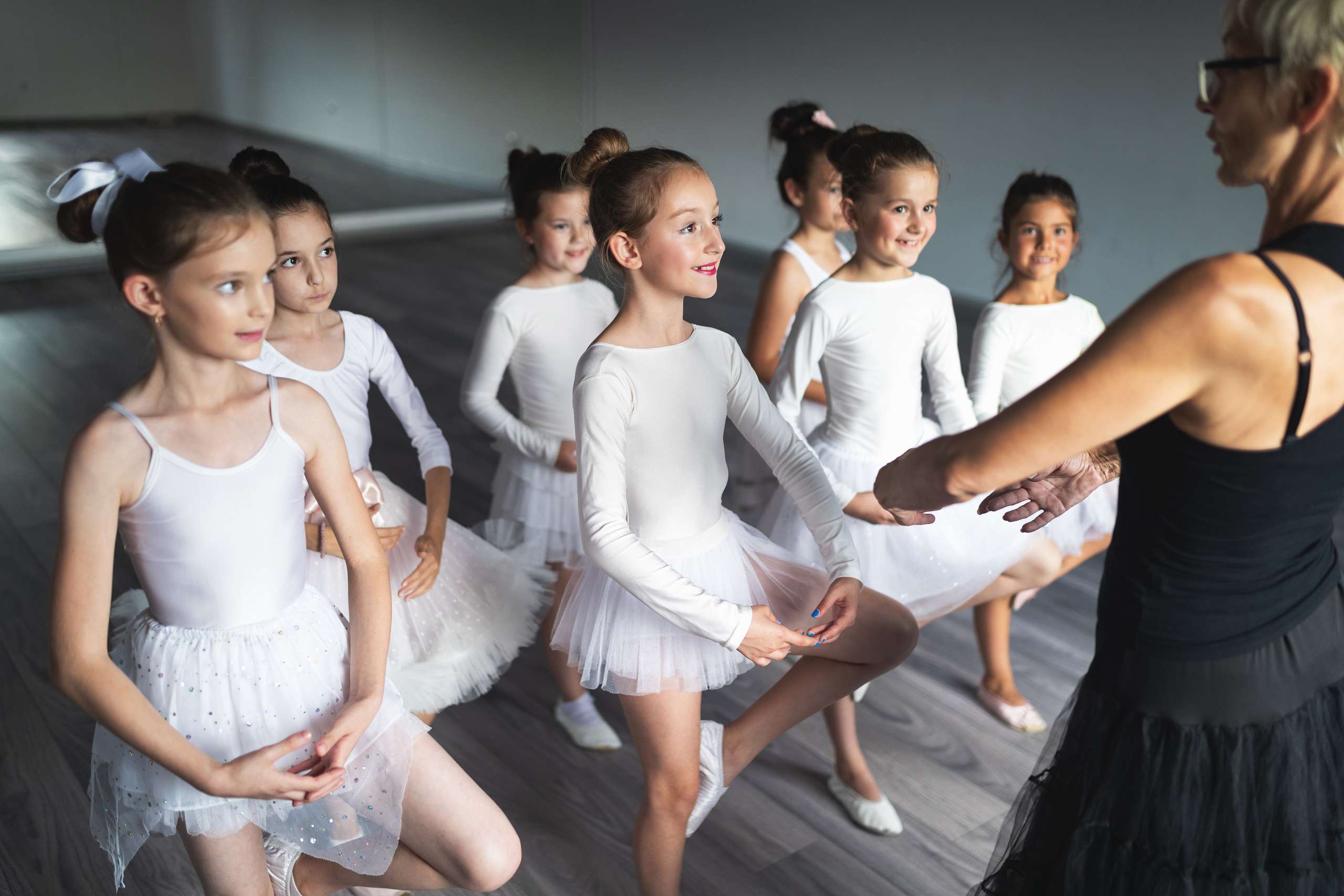
Communities of practice in dance education A community within which we learn to be, do and belong Sharing has a life; it dies when it is kept to oneself. Part of a supporting community Students can exchange challenges, successes and gains inspiration with people on the same journey. This support network creates accountability, motivating learners to keep practicing and challenging themselves, but feeling inspired rather than judged by the challenges. Group work frequently results in students working together and a richer learning experience as well as team-skills emerge.
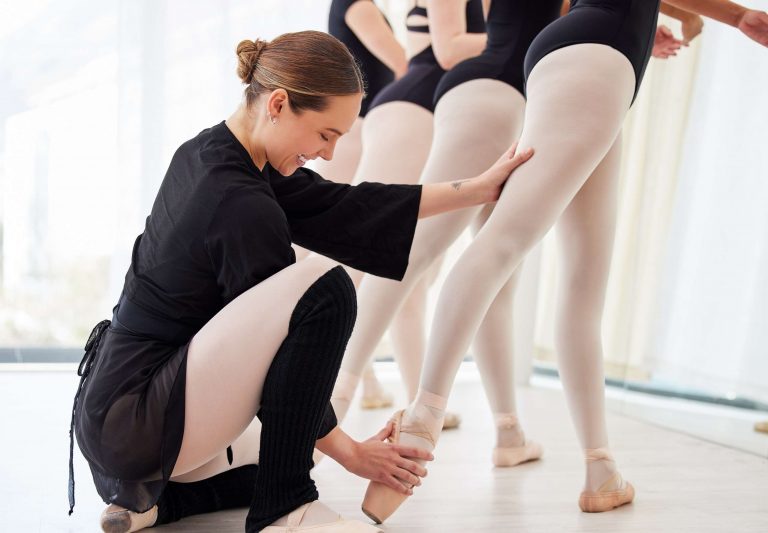
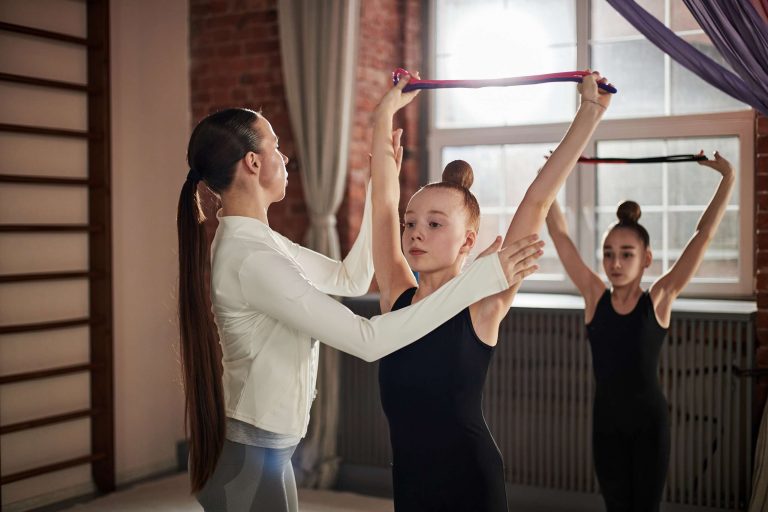
Learning with others offers the chance to observe and be observed, which is a key part of improving technique. Learners see the way peers interpret choreography and approach difficult steps, as well as strategize transitions – providing fresh perspectives that also enrich their own performance. Positive criticism with not only from the instructors, but also from the peers is good for constantly making one better by pointing out slight inaccuracies that can be corrected. The framework promotes an attitude of learning, humbleness and being open to growth that affects both technical things and in life attitudes as well.
Beyond learning, the dance scene also fosters creativity and innovation. Working with varied peers leads the young artists to a range of styles, musical interpretations and artistic approaches which may not be something they would have tried on their own. This synergy creates a dynamic environment where dancers not only express themselves individually, but are versatile and adaptable in their work regardless of style or genre. Inspiring community leads to collaborative discovery and artistic exploration during practice time, making the everyday feel full of creativity.
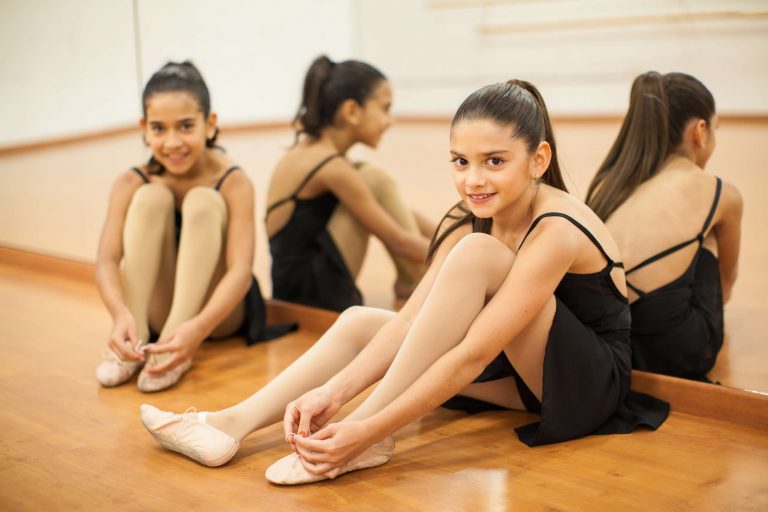
Emotional support is also key to a good dance community. The physical and mental strain of learning new techniques and mastering difficult routines takes its toll, so support from peers keeps us going. We celebrate each other’s success to build a sense of community and achievement, but we also all share in the overcoming struggles which forges a stronger self esteem than simply winning. “These social connections often turned into lifelong friendships, establishing a network of support that transcended the studio.
And, finally, the community dimension supports sustained involvement in dancing over the long term. Students who have a sense of belonging are more likely to persevere when work becomes difficult, will stay loyal in their practice and continue exploring deeper levels with excitement. This communal attitude only serves to speed up the process of learning, and helps to deepen the emotional experience–and hence the creativity–of dance, making sure everyone gets fulfillment and pleasure from every step along their journey. In this sense, the community gates are both a motivator and an accelerant (for lack of a better word) for whole child growth — fusion of technical mastery with social-emotional growth.